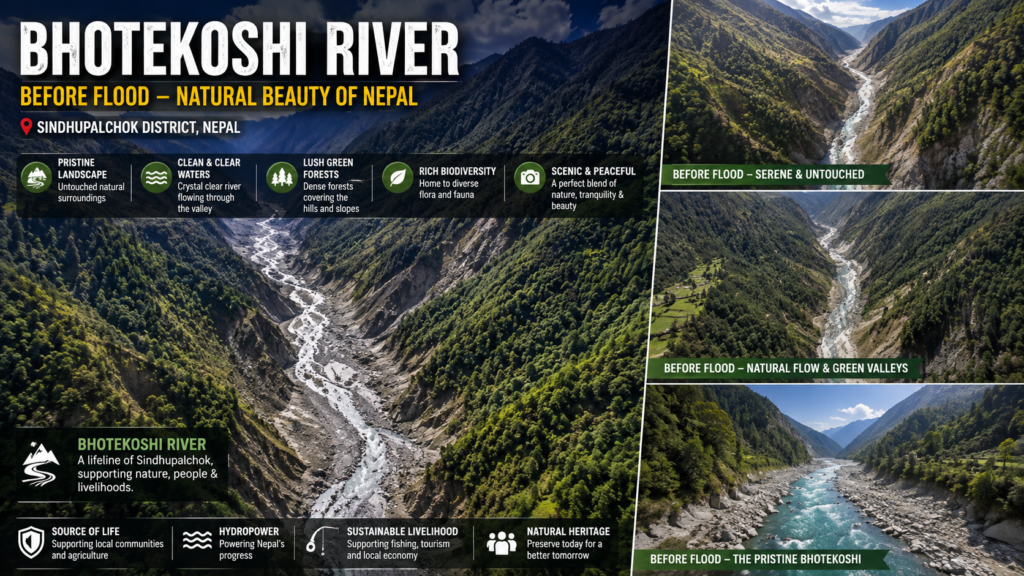
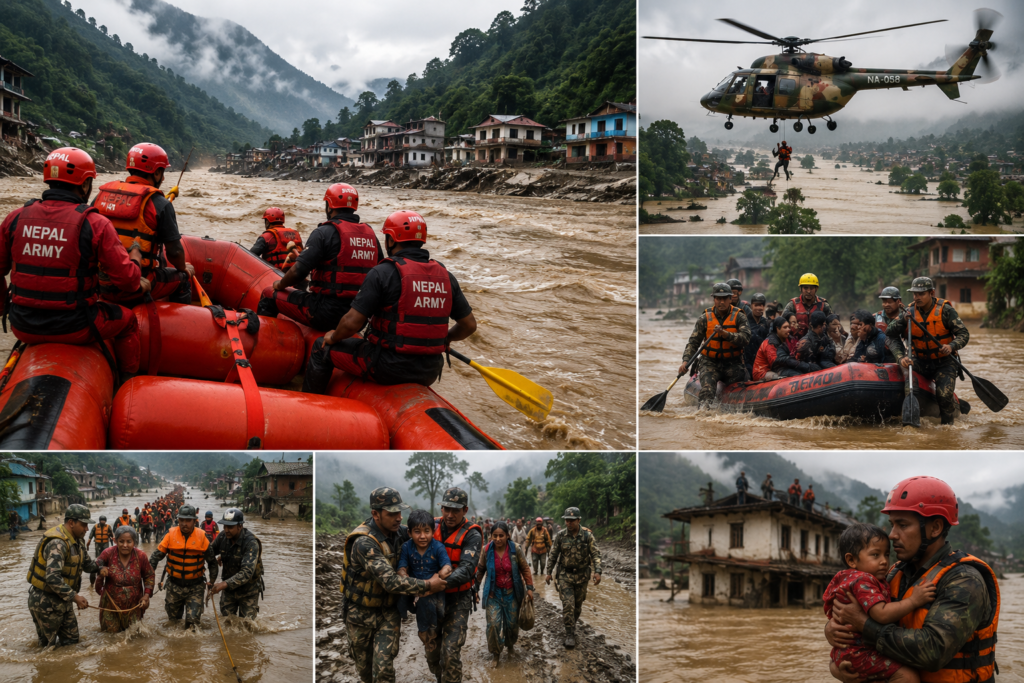
Nepal Flood has become a major news story after severe flooding and flash floods affected parts of the country. The disaster caused extensive damage to roads, bridges, buildings and other infrastructure, while rescue teams continued searching for missing people.
The situation has also attracted attention in neighbouring countries because the affected Himalayan region is close to the Nepal–Tibet border and the disaster has affected people from different countries.
In this article, we explain what happened, what caused the Nepal flood, its impact, rescue operations and what we can learn from this disaster.
What Happened in the Nepal Flood?
The recent disaster involved severe flooding and a powerful flash flood in the Himalayan region of Nepal. Areas around the Bhotekoshi River were particularly affected.
A sudden surge of water and debris moved through affected areas, damaging roads, bridges, homes and other infrastructure. The speed and force of the flood made it difficult for people to escape and created major challenges for rescue teams.
The disaster also disrupted transportation and communication in some areas, making it harder for authorities to reach affected communities.
What Caused the Nepal Flood?
The Nepal flood was linked to extreme weather and conditions in the Himalayan region. Heavy rainfall can rapidly increase river levels, while melting snow, ice and unstable mountain terrain can make flash flooding even more dangerous.
In mountainous areas, water can travel downstream very quickly. When large amounts of water combine with mud, rocks and other debris, the resulting flash flood can cause severe destruction within a short period.
Scientists and authorities are continuing to examine the exact causes and contributing factors behind the disaster.
The Bhotekoshi River and the Flood
The Bhotekoshi River is an important river system in Nepal’s Himalayan region. During extreme weather events, water levels can rise rapidly.
The recent flooding around the river demonstrated how vulnerable communities and infrastructure can be when a sudden increase in water flow occurs.
Roads and bridges are especially important in mountainous regions because they connect remote communities with larger towns and emergency services. Damage to these structures can make rescue and relief operations much more difficult.
Death Toll and Missing People
The Nepal flood death toll has continued to change as rescue workers search affected areas and authorities verify information.
Several people have died, while many others have been reported missing. Foreign nationals have also been affected by the disaster.
Because this is an ongoing emergency, readers should rely on official government announcements and trusted news organizations for the latest figures.
Damage Caused by the Nepal Flood
The Nepal flash flood caused serious damage in affected areas.
Major impacts include:
- Damage to roads and highways
- Destruction of bridges
- Flooded homes and buildings
- Vehicles being swept away
- Disruption to transportation
- Difficulties in communication
- Problems reaching remote communities
- Loss of lives and missing people
- Disruption to local businesses and daily activities
The damage to transport infrastructure is particularly important because mountainous communities often depend on a limited number of roads and bridges.
Rescue and Relief Operations
Following the disaster, Nepalese authorities and security personnel began search-and-rescue operations.
Rescue teams have been working to:
Search for missing people
Rescue people trapped in affected areas
Move people to safer locations
Provide emergency assistance
Clear damaged roads where possible
Assess damage to infrastructure
Support affected families
Rescue operations can be challenging because damaged roads, unstable terrain and continuing bad weather can prevent emergency teams from reaching some locations quickly.
Impact on Indians and Other Foreign Nationals
The Nepal flood has also received attention in India because Nepal is a popular destination for Indian tourists and pilgrims.
Some Indian nationals were reportedly among those affected or missing following the disaster. Indian authorities have been monitoring the situation and coordinating information related to affected citizens.
For people planning to travel to Nepal, it is important to check current weather conditions, travel advisories and official announcements before travelling to affected areas.
Why Is the Nepal Flood Important for India?
Nepal and India share close geographical, economic and cultural connections. Rivers originating in the Himalayan region also flow into India.
Therefore, major flooding in Nepal can sometimes create concerns downstream, particularly in areas of northern India.
However, the impact depends on rainfall, river levels, local geography and the specific river system involved. People living near vulnerable river areas should follow official flood warnings rather than relying on social media rumours.
What Can We Learn From the Nepal Flood?
The disaster highlights the importance of early warning systems, disaster preparedness and climate-resilient infrastructure.
Mountain communities can be particularly vulnerable to sudden changes in weather and river conditions. Better monitoring systems can provide people with more time to move to safer areas.
Strong bridges, safer roads, emergency communication systems and well-planned evacuation routes can also reduce the impact of future disasters.
According to Reuters, the Nepal disaster has resulted in significant casualties and a large number of people reported missing. [Read the latest Reuters report].
Conclusion
The Nepal Flood is a major humanitarian and environmental event that has caused loss of life, infrastructure damage and disruption across affected areas.
The disaster also highlights the importance of disaster preparedness, early warning systems and reliable digital communication.
“Stay tuned for further official updates as emergency response teams continue relief efforts.”, useful information can be made easier for people to find online.
At the same time, responsible content creation is essential. When reporting on a developing disaster, information should be verified and updated regularly.
Frequently Asked Questions