Nepal Flood 2026: Latest News, Causes, Impact & Rescue Updates
Nepal Flood 2026: Latest News, Causes, Impact & Rescue Updates Nepal Flood has become a major news story after severe flooding and flash floods affected
Google Search is changing.
Remember when SEO was mostly about choosing a keyword, adding it to your page, building backlinks, and waiting for Google to move your website up?
Those days are not completely gone—but Google Search has become much more intelligent. 
Today, users can ask longer and more complicated questions, and Google can provide AI Overviews that summarize information and show links to useful websites.
So naturally, one question comes to mind:
“How can I optimize my website for Google AI Overviews?”
The good news is that you don’t need a secret AI trick, special AI markup, or a magic button called “Rank Me in AI.” 
Google says the same foundational SEO practices remain important for AI Overviews and AI Mode. Pages need to be technically accessible, indexable, useful, and focused on people-first content.
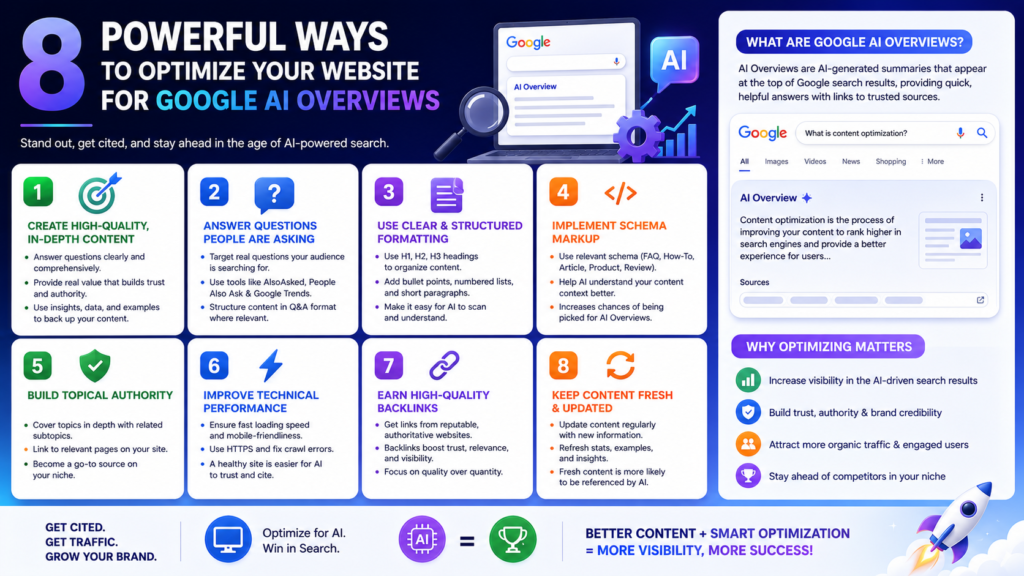
In this blog, we will explore 8 powerful ways to optimize your website for Google AI Overviews and improve your overall visibility in Google Search.
To optimize your website for Google AI Overviews, focus on:
🤖 Helpful Content
Create content that genuinely answers people’s questions.
🎯 Search Intent
Understand what users actually want when they search.
🧠 Topical Authority
Build detailed content around your main subject.
✍️ Clear Answers
Answer questions directly and make information easy to understand.
🔗 Internal Linking
Connect related pages naturally.
⚙️ Technical SEO
Make your website easy for search engines to crawl and understand.
🖼️ Visual Content
Use useful images, videos, and diagrams.
📊 Performance Tracking
Measure visibility, traffic, and conversions.
Now let’s understand each strategy.
The first rule of Google AI Overviews SEO is simple:
Google’s current guidance recommends creating unique, valuable, reliable, people-first content for traditional Search and AI-powered search experiences.
“SEO is important because SEO helps websites rank higher. SEO is useful for businesses because businesses need SEO.”
“A local restaurant can improve its online visibility by optimizing its Google Business Profile, creating location-focused content, earning relevant reviews, and making its website easy to navigate on mobile.”
Which one actually helps the reader?
Obviously, Article B.
Your content should provide examples, explanations, original insights, practical information, and real value.
Don’t create content just because you found a keyword.
Create content because someone needs an answer.
Useful Information + Original Value + Good User Experience = Stronger Content
Before creating content, ask one simple question:
This is called search intent.
Someone searching:
“What is SEO?”
probably wants a simple explanation.
Someone searching:
“Best SEO agency near me”
is probably looking for a service.
Someone searching:
“SEO course fees”
may be comparing different options before making a decision.
These are completely different searches.
Instead of only asking:
“What keyword should I target?”
ask:
“What problem is the user trying to solve?”
For example, if your keyword is:
“email marketing strategies”
don’t simply repeat that phrase throughout the article.
Answer the questions the searcher may have:
This creates content around the real search intent.
Keyword + Search Intent + Useful Answer = Better Content
Imagine you have a website with one article about SEO.
Now imagine another website covering:
Which website looks more knowledgeable about SEO?
The second one, of course.
This is where topical authority becomes important.
Instead of publishing random blogs every week, create a group of useful content around your main topic.
Your main topic is: Digital Marketing
Then create related content about: SEO, Google Ads, Social Media Marketing, Email Marketing, Content Marketing, AI Marketing, Marketing Automation
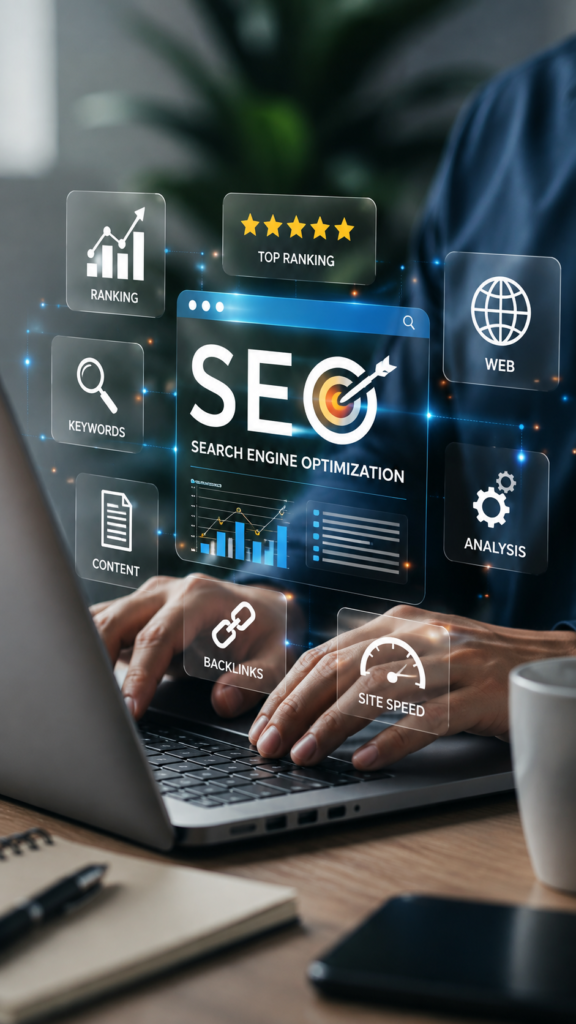
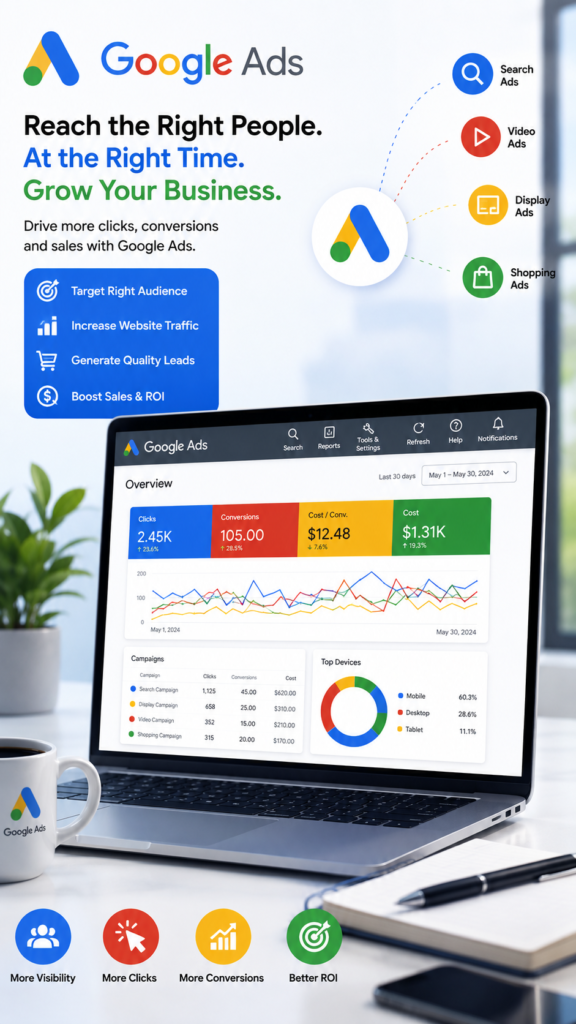
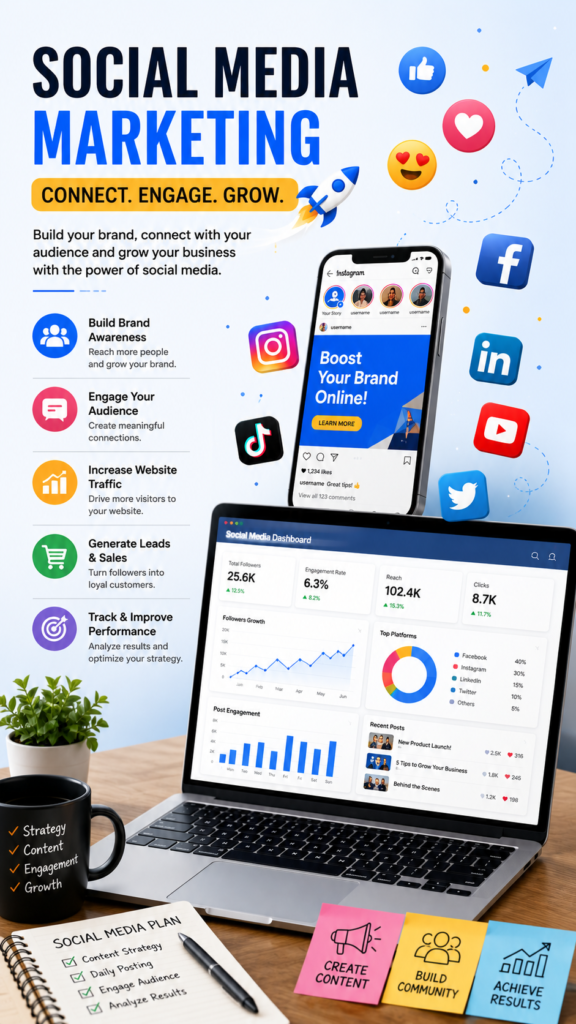
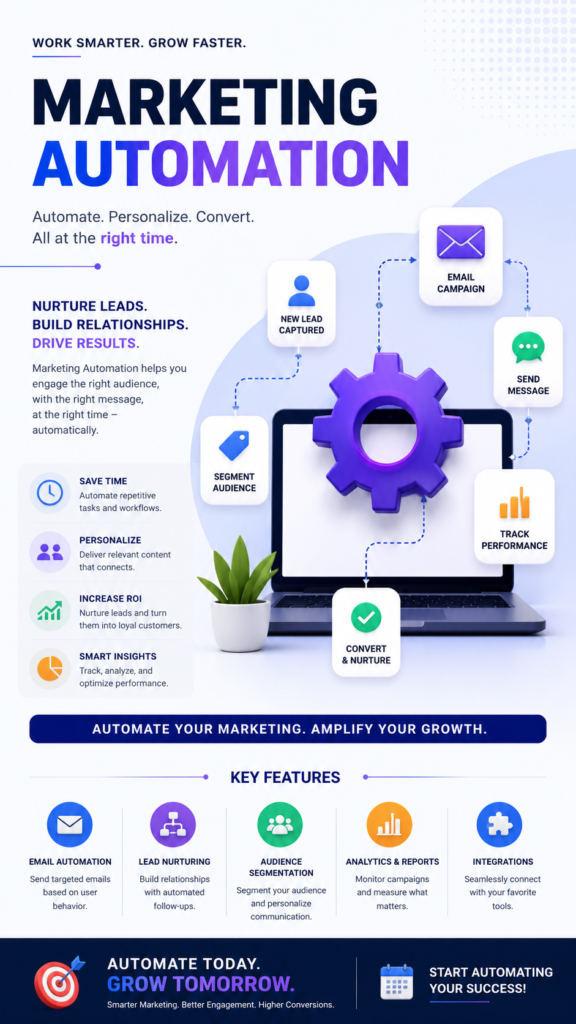
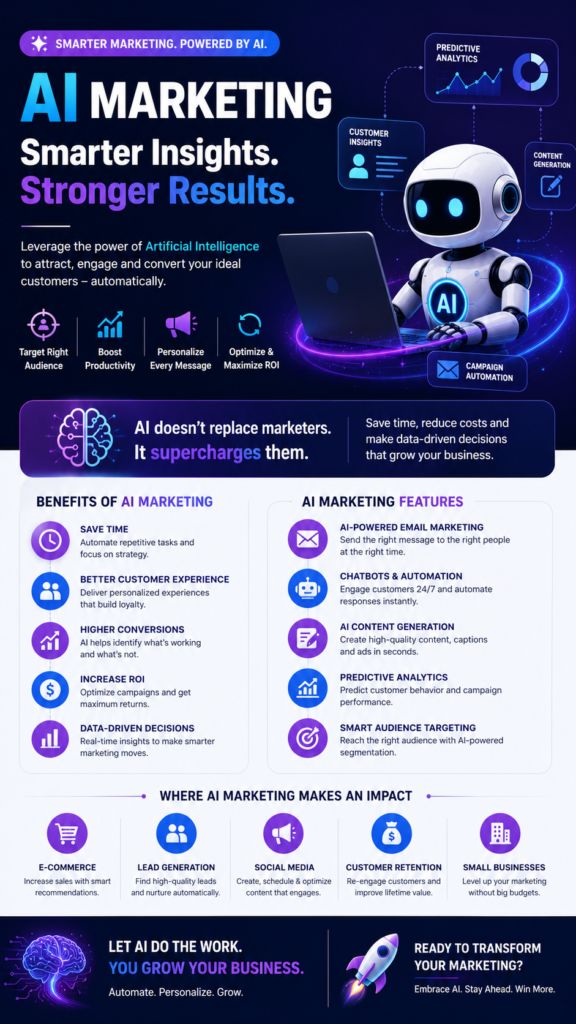
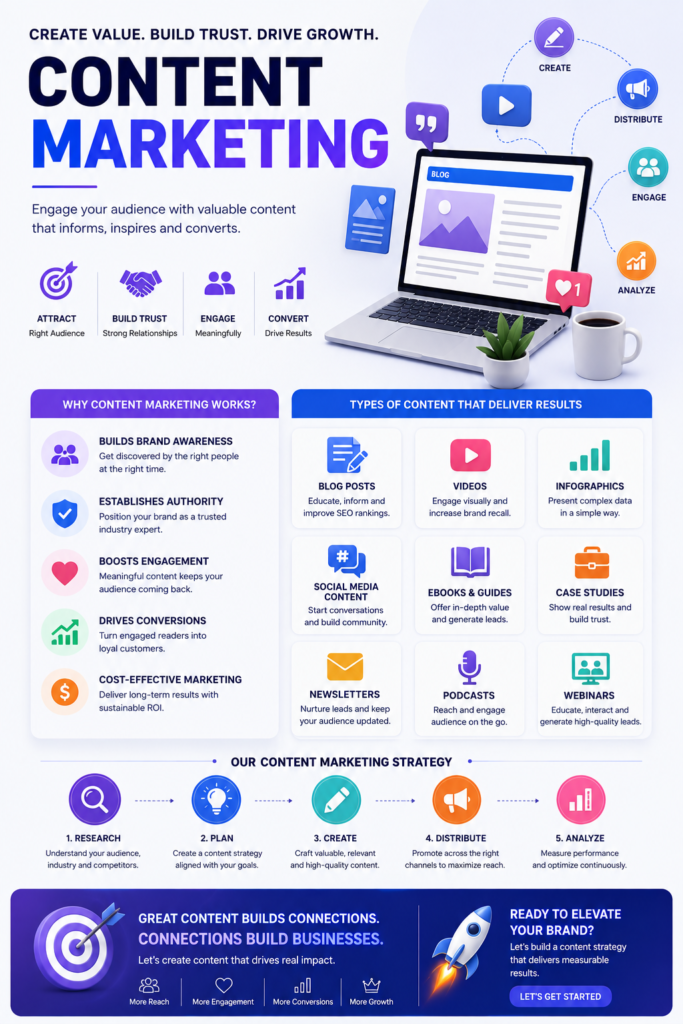
This creates a strong content ecosystem.
📚 Think of Your Website Like a Library
One book about SEO?
Not very impressive.
A complete SEO section?
Now we’re talking. 😄
The goal is to become a useful resource around your topic.
If someone asks:
“What is Google AI Overview?”
don’t make them read 800 words before getting the answer.
Give them the answer first.
Google AI Overviews are AI-generated summaries that can appear in Google Search for certain queries, helping users understand a topic and explore supporting web pages.
Then explain the topic in more detail.
This makes your content easier to understand.
You can use:
But don’t make every sentence extremely short just because you think AI prefers it.
The goal is clarity, not writing content that sounds like a robot.
Your website should not feel like a collection of random pages.
Connect related content with internal links.
For example:
SEO Guide
↓
Keyword Research Guide
↓
On-Page SEO Guide
↓
Technical SEO Guide
↓
Google AI Overviews Guide
This creates a useful journey for visitors.
It also helps search engines discover related pages on your website.
For example, if you write a blog about:
“SEO Trends in 2026”
you can naturally link to:
Related Content → Relevant Internal Link → Better User Journey
Don’t add internal links just to increase the number of links.
Add them when they genuinely help the reader.
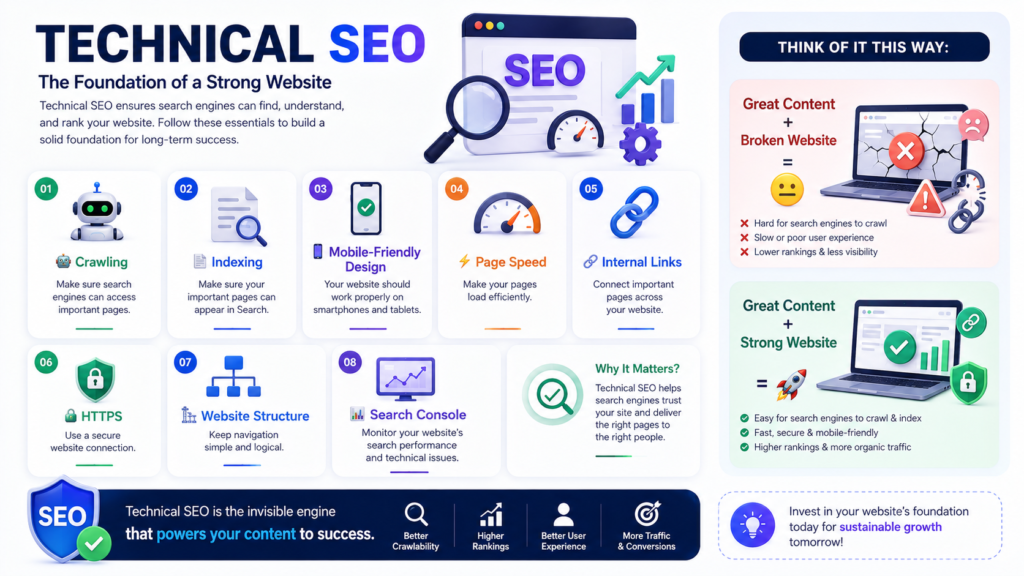
Now let’s talk about the less exciting—but very important—part.
You can create the greatest article in the world, but if Google cannot properly access or index the page, you have a problem.
Your website should be easy for search engines to crawl and understand.
🤖 Crawling
Make sure search engines can access important pages.
📑 Indexing
Make sure your important pages can appear in Search.
📱 Mobile-Friendly Design
Your website should work properly on smartphones and tablets.
⚡ Page Speed
Make your pages load efficiently.
🔗 Internal Links
Connect important pages across your website.
🔒 HTTPS
Use a secure website connection.
🏗️ Website Structure
Keep navigation simple and logical.
📊 Search Console
Monitor your website’s search performance and technical issues.
Think of it this way:
Great Content + Broken Website = 😐
Great Content + Strong Website = 🚀
Your content and technical SEO need to work together.
SEO is no longer only about words.
Search is becoming increasingly visual.
This means your SEO strategy should also include useful visual content.
For example, if you are writing:
“How Email Marketing Works”
don’t only explain everything in paragraphs.
You can also show:
📧 Visitor → 📥 Signup → 💡 Email Content → 🎯 Offer → 💰 Conversion
A simple visual can sometimes explain what a paragraph cannot.
📸 Original images
🎥 Videos
📊 Infographics
📱 Screenshots
📈 Charts
🧩 Process diagrams
🖼️ Illustrations
Visual content can make your blog easier to understand and more engaging.
But don’t add images just because the page looks empty.
Every visual should have a purpose.
“Does this image help the reader understand the topic?”
If the answer is yes, keep it.
You can’t improve what you don’t measure.
Traditional SEO tracking usually focuses on:
But AI-powered Search is creating additional visibility opportunities.
Google introduced Generative AI performance reports in Search Console in June 2026, providing dedicated views of visibility from generative AI features such as AI Overviews and AI Mode. The reports are being rolled out to a subset of websites.
This means SEO reporting is moving beyond one simple question:
“What is my ranking?”
You should also ask:
“How visible is my website across Google’s different search experiences?”
Monitor things such as:
👀 Impressions
How often your content appears.
🖱️ Clicks
How many users visit your website.
📈 CTR
How often users click after seeing your result.
🎯 Conversions
How many visitors become leads or customers.
📞 Leads
How many potential customers you generate.
💰 Revenue
How much business your organic traffic creates.
🤖 AI Visibility
How your website appears across AI-powered Search experiences.
SEO is ultimately about business results—not just a ranking number.
Before publishing a page, ask yourself:
☑️ Is the content genuinely useful?
☑️ Does it answer the user’s question?
☑️ Does it provide original value?
☑️ Have you included useful examples?
☑️ Is the main topic clear?
☑️ Are keywords used naturally?
☑️ Does the content match search intent?
☑️ Are internal links relevant?
☑️ Can search engines crawl the page?
☑️ Can the page be indexed?
☑️ Is the website mobile-friendly?
☑️ Does the page provide a good user experience?
☑️ Are useful images included?
☑️ Would a diagram make the topic easier?
☑️ Can a video improve the explanation?
☑️ Are you monitoring Search performance?
☑️ Are you tracking conversions?
☑️ Are you updating content when necessary?
SEO is ultimately about business results—not just a ranking number.
Here’s the funny part.
You may find people selling:
“Secret AI Overview SEO hacks!”
“Guaranteed AI Overview ranking!”
“Special AI ranking formula!”
Before spending money, take a breath. 😂
There is no magic button that guarantees your website will appear in an AI Overview.
The best approach is still:
Good SEO + Great Content + Strong Website + Real User Value
Don’t spend all your time looking for shortcuts.
Focus on making your website genuinely useful.
AI can be useful for content creation.
You can use AI to help with:
But there is a difference between:
🤖 Using AI as a Helper
and
🤖 Publishing Hundreds of Low-Value AI Pages
Google has warned that generating large amounts of content without adding value can violate its spam policies.
So the better approach is:
🤖 AI Assistance + 👨💻 Human Expertise + 💡 Original Information = Better Content
Don’t let AI drive the entire car.
Let it help you navigate. 🚗🤖
🔑 Old Approach
Focus mainly on keywords.
🎯 Modern Approach
Focus on keywords and search intent.
📝 Old Approach
Publish as much content as possible.
💡 Modern Approach
Publish content that actually helps people.
📊 Old Approach
Track rankings only.
🚀 Modern Approach
Track visibility, traffic, leads, and conversions.
🤖 Old Approach
Avoid AI completely.
🧠 Modern Approach
Use AI responsibly as a supporting tool.
📄 Old Approach
Focus mainly on text.
🖼️ Modern Approach
Use text, images, videos, and useful visual content.
Optimizing your website for Google AI Overviews does not mean learning a completely different version of SEO.
It means doing the fundamentals well.
The biggest mistake would be thinking:
“AI is changing Search, so traditional SEO doesn’t matter anymore.”
It does.
The better approach is to combine traditional SEO fundamentals with useful, original, people-first content.
So don’t ask:
❌ “How can I trick AI into ranking my website?”
Ask:
✅ “How can I make my website the most useful answer for my audience?”
That’s the better SEO strategy for 2026.
Want to learn SEO, AI SEO, Google AI Overviews, Google Ads, social media marketing, email marketing, content marketing, and other digital marketing skills?
Vidya Sarthi is a digital marketing institute where you can learn practical digital marketing skills and understand how AI is changing modern SEO and online marketing.
Nepal Flood 2026: Latest News, Causes, Impact & Rescue Updates Nepal Flood has become a major news story after severe flooding and flash floods affected
What Is Google Ads? Uses, Benefits & Services 2026 Table of Contents If you have ever searched for something on Google and noticed sponsored results
What Is Affiliate Marketing? Beginner’s Guide 2026 This post contains affiliate links. If you click through and make a purchase, I may earn a small
What is Social Media Marketing? 2026 Beginner’s Guide Table of Contents Social media has changed the way businesses connect with customers. Today, a brand can
YouTube New Policy for Monetization Explained YouTube new policy for monetization: understand inauthentic content, AI-generated videos, reused content, and creator eligibility. Table of Contents On
7 Powerful Ways to Improve Your SEO Rankings With AI in 2026 Table of Contents Introduction SEO is changing quickly in 2026. With the growth