Nepal Flood 2026: Latest News, Causes, Impact & Rescue Updates
Nepal Flood 2026: Latest News, Causes, Impact & Rescue Updates Nepal Flood has become a major news story after severe flooding and flash floods affected
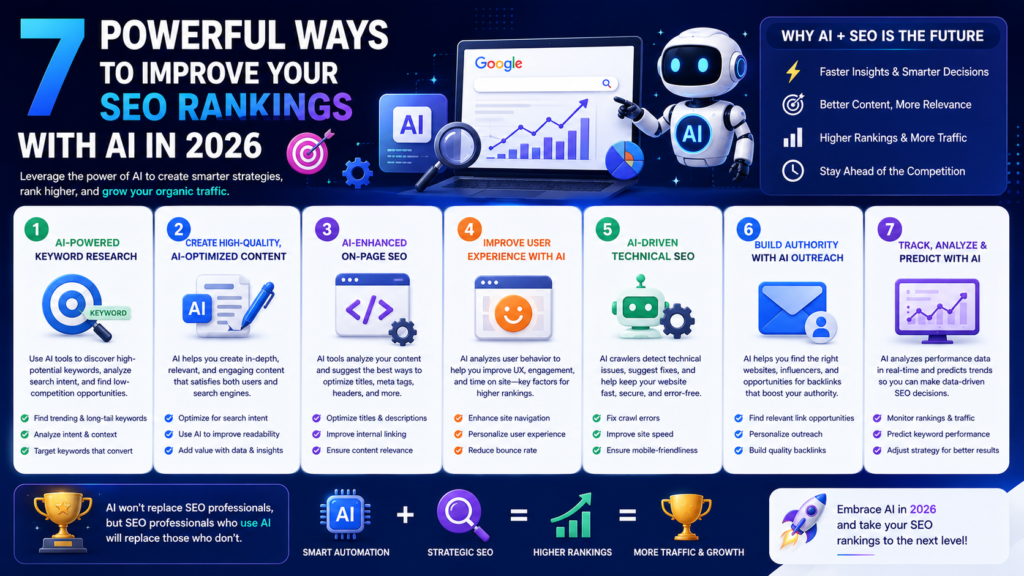
SEO is changing quickly in 2026. With the growth of artificial intelligence, the way people search for information is also changing. Google is using AI in Search through features such as AI Overviews and AI Mode, creating new opportunities for websites to reach users.
Because of this, businesses and marketers are asking an important question:
How can AI help improve SEO rankings and increase website visibility?
The answer is not to replace traditional SEO with AI. Instead, AI can make your SEO strategy faster, smarter, and more effective.
From keyword research and search intent to content optimization and SEO analysis, AI can support almost every part of the SEO process.
But there is one important point: AI should help you create better content, not simply more content.
In this blog, we will explore 7 powerful ways to improve your SEO rankings with AI in 2026 and build stronger visibility in modern search.
AI SEO is becoming an important part of digital marketing.
You can use AI to discover relevant keywords, understand what users are searching for, identify content gaps, improve existing content, and create a stronger SEO strategy.
A successful approach combines:
AI + SEO + Search Intent + Helpful Content + Technical SEO + Human Experience
The goal is not simply to rank for more keywords. The goal is to create content that answers real questions, solves problems, builds trust, and gives users a reason to visit your website.
Keyword research is still one of the most important parts of search engine optimization.
However, modern keyword research is about much more than finding a keyword with high search volume.
You also need to understand:
AI can help you discover keyword ideas quickly.
For example, if your main topic is AI SEO, related searches could include:
These keywords can help you create blogs, guides, landing pages, FAQs, and service content.
But don’t add keywords simply because they are available.
Every keyword should be relevant to your audience and the topic you are covering.
The goal is simple:
Understand what people are searching for and create content that answers them better.
Ranking for a keyword is not enough.
You also need to understand why someone is searching for that keyword.
This is called search intent.
There are four major types of search intent:
The user wants to learn something.
Examples:
The user is researching options before making a decision.
Examples:
The user is ready to take action.
Examples:
The user is looking for a particular brand or website.
Examples:
AI can help you organize keywords according to these different search intents.
Once you understand the intent, you can create the right type of content for the right audience.
AI can generate content quickly, but speed should not be the main goal of your SEO strategy.
Your content needs to provide something useful to the reader.
For example, if you are writing about “How to improve SEO rankings,” don’t simply provide a list of generic tips.
Give readers practical information about:
You can use AI to help with research, brainstorming, outlines, and content improvement.
Then add your own knowledge, examples, experience, and insights.
This creates content that feels more natural and useful.
A simple formula is:
AI for efficiency + Human experience for originality.
Google’s guidance also emphasizes creating helpful, reliable, people-first content rather than producing large amounts of low-value content simply to manipulate search rankings.
Sometimes your website already has good content, but important information is missing.
This is known as a content gap.
For example, you may have an article called:
“What Is SEO?”
It might explain the definition and benefits of SEO.
But your audience may also want to know:
AI can help you identify these related questions and topics.
You can then improve your existing article or create supporting content.
This also helps you build topical authority.
Instead of having one article about SEO, you can create a complete collection of useful content around the subject.
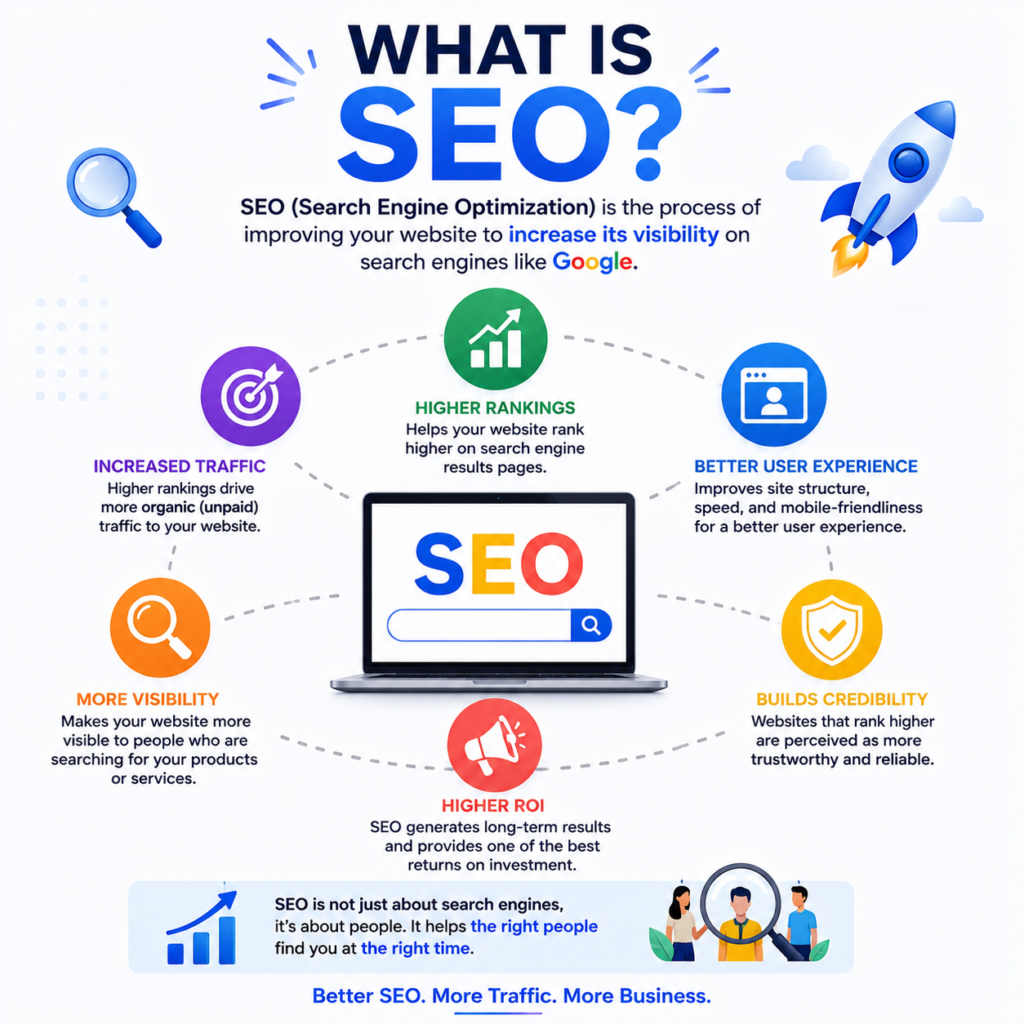
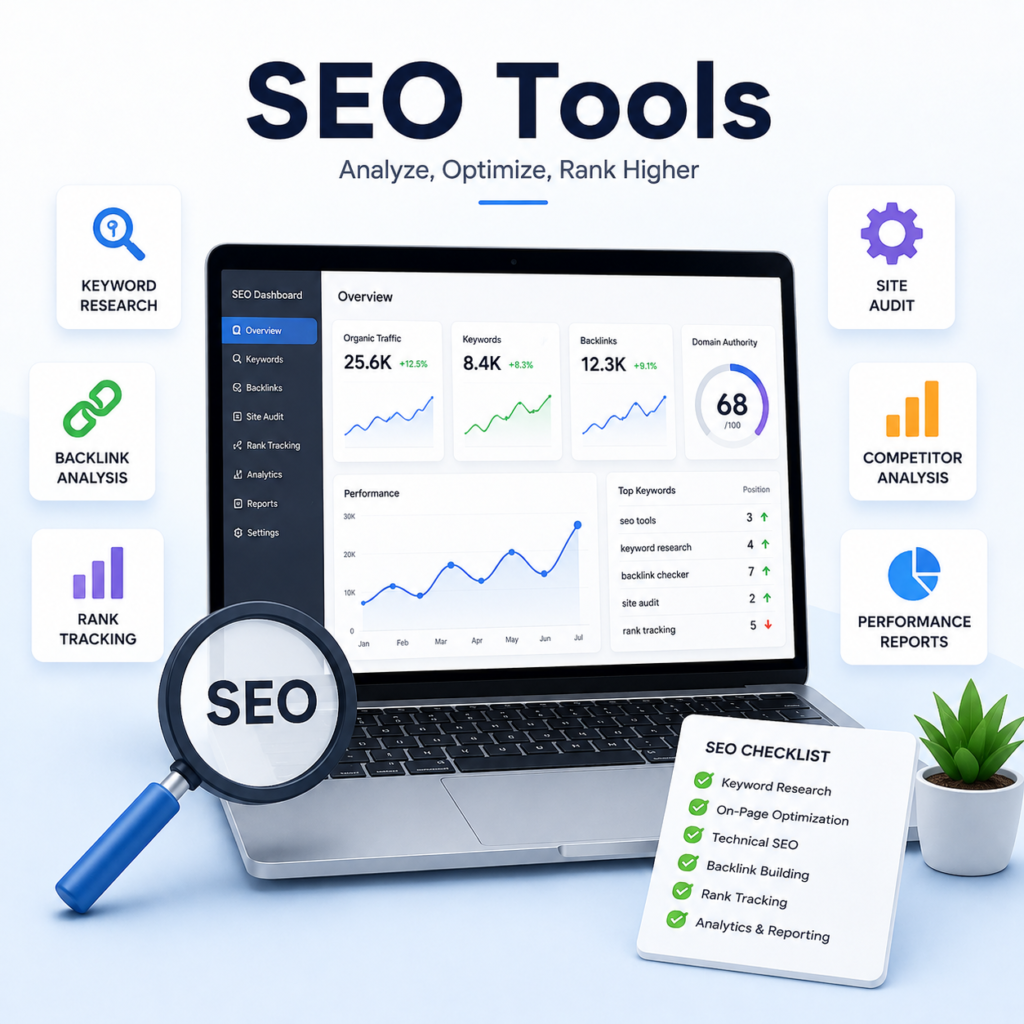
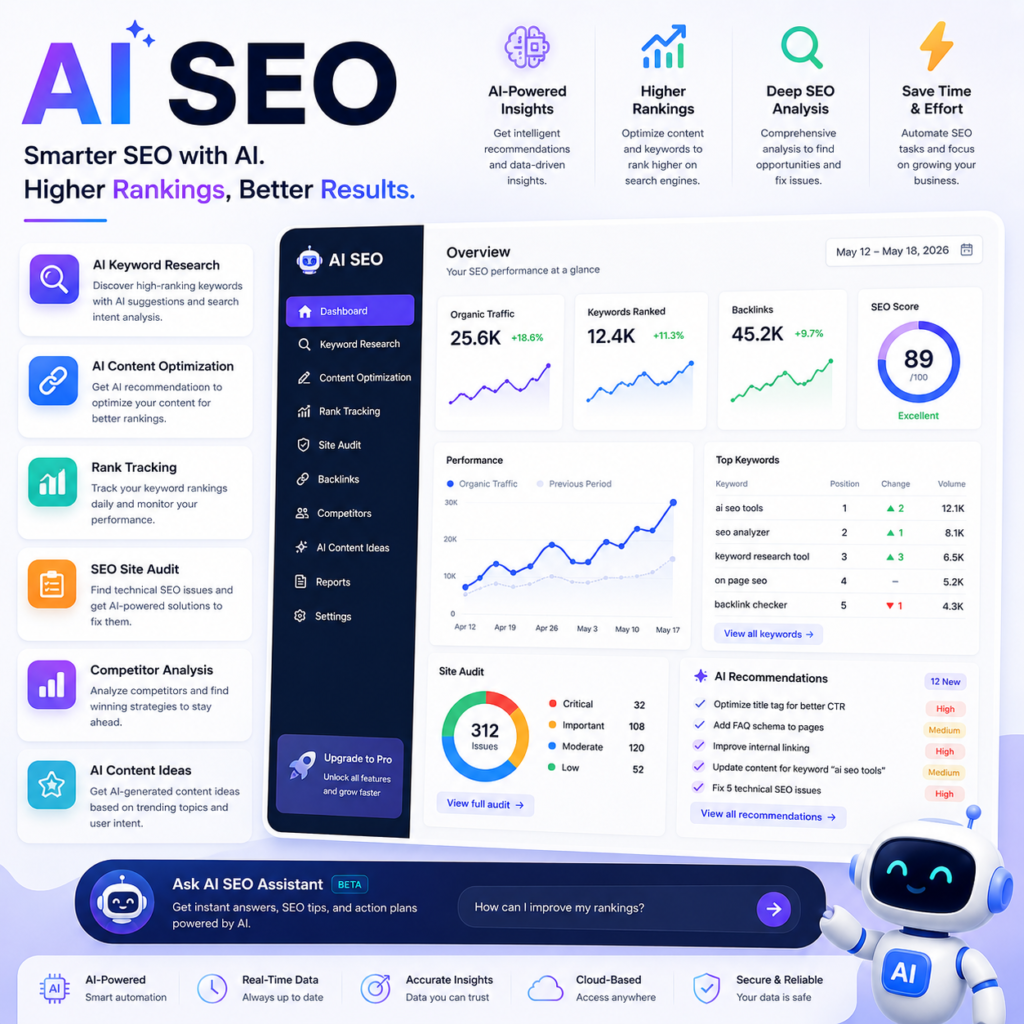
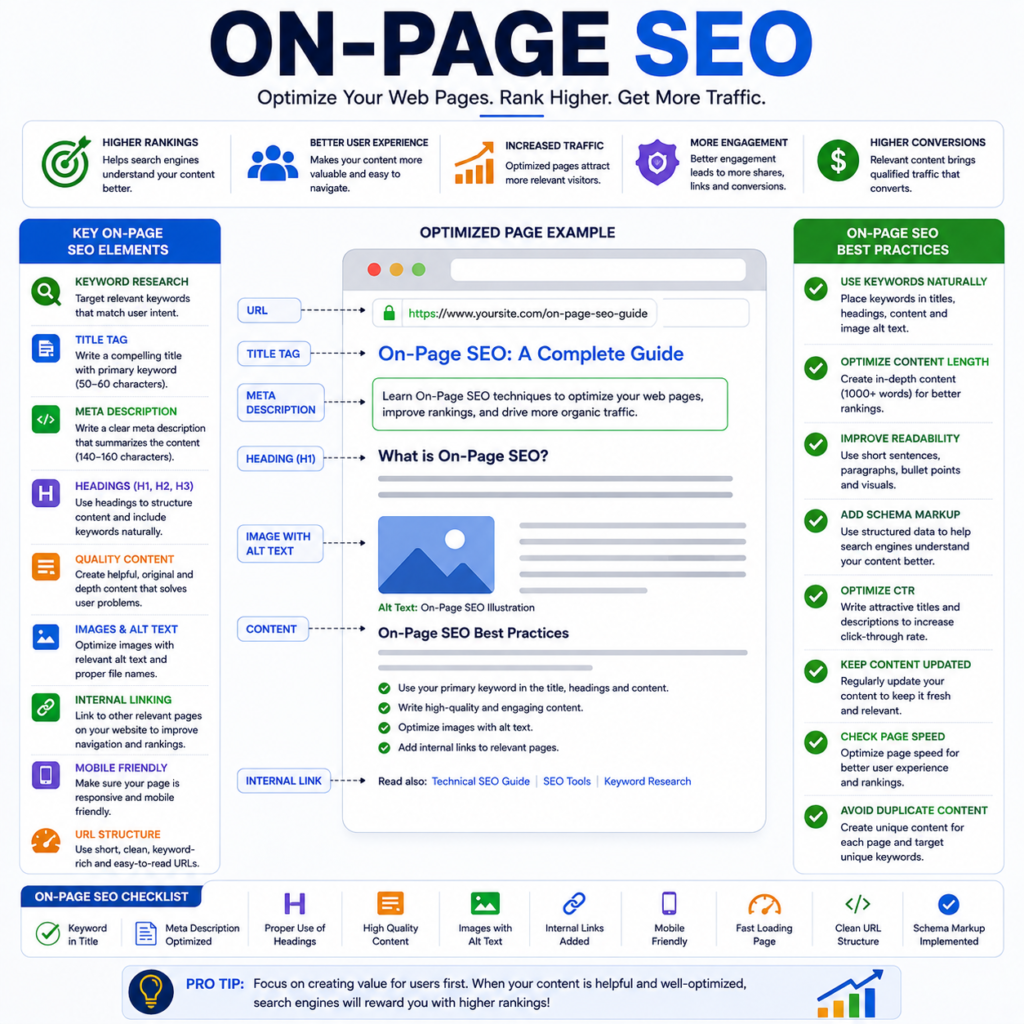
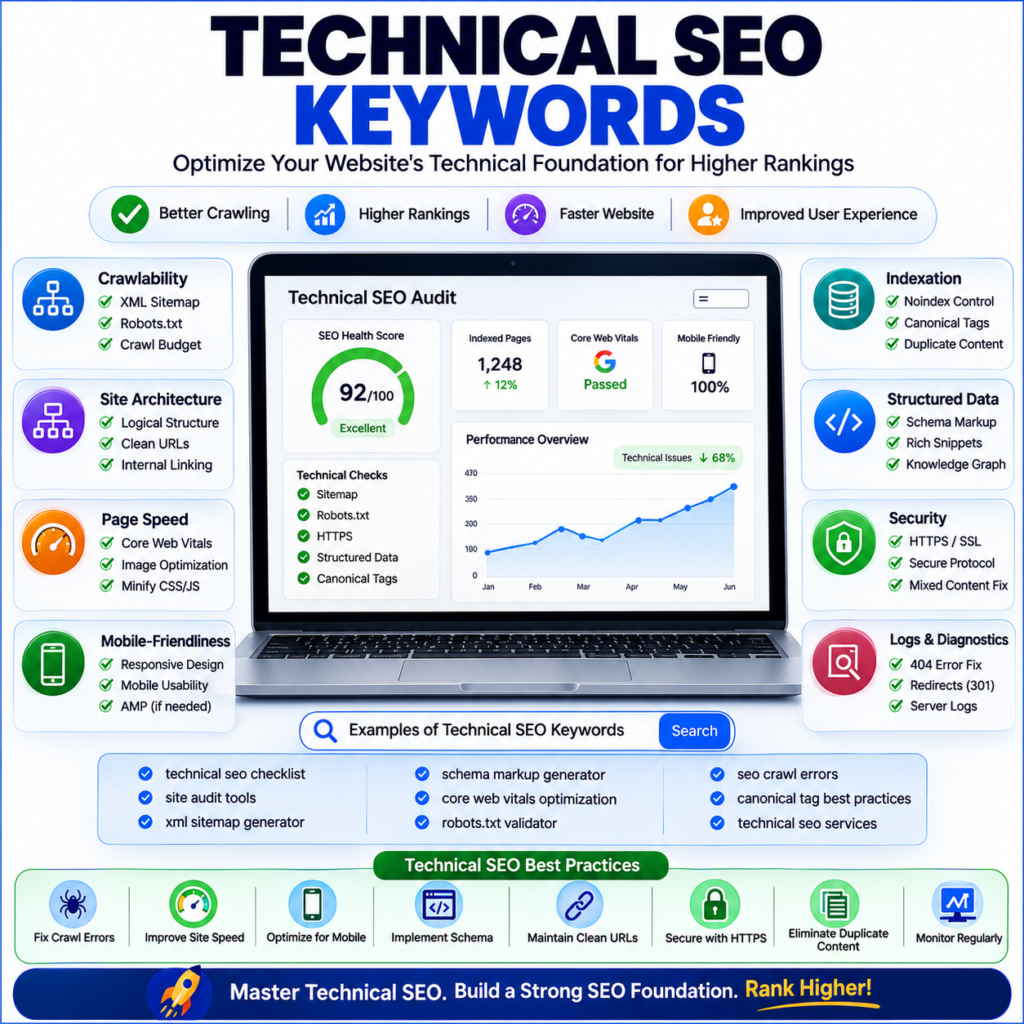
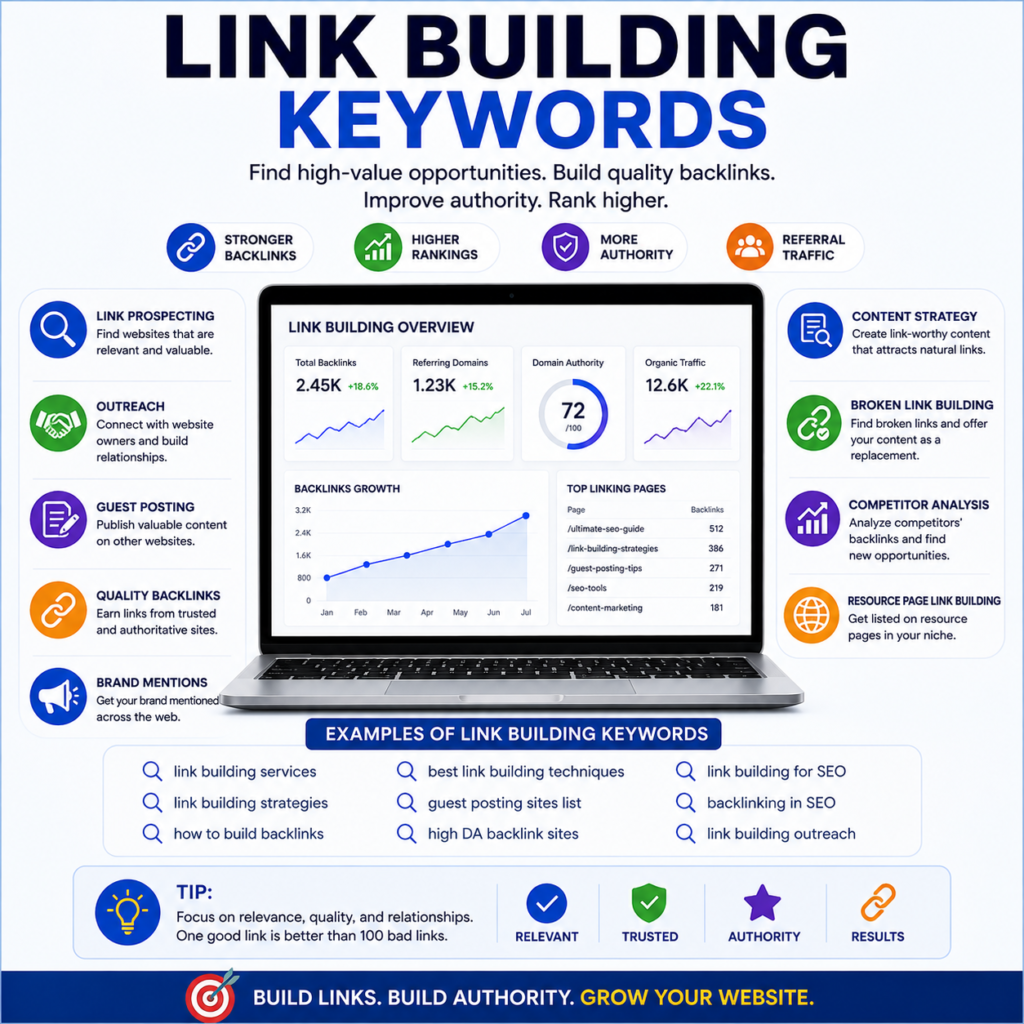
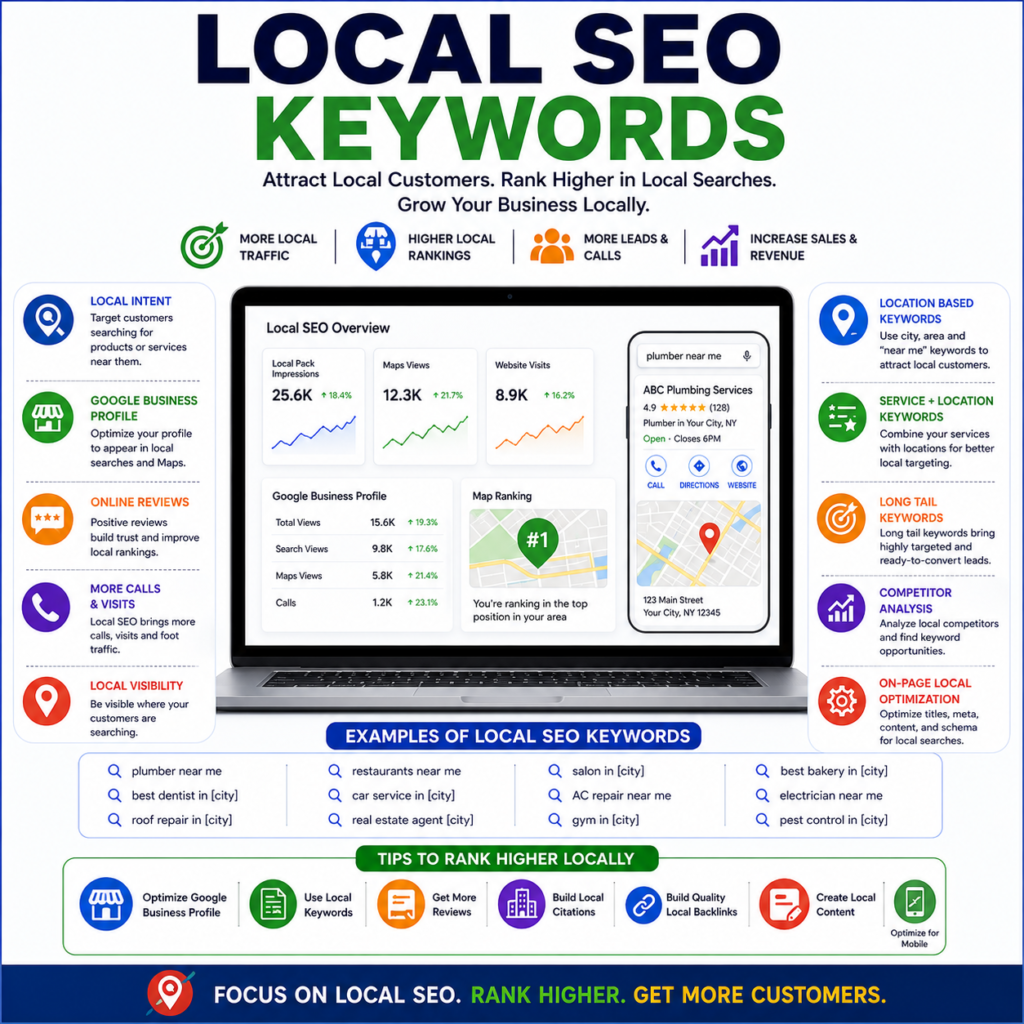
Connect these articles with relevant internal links, and your website becomes easier to navigate for both users and search engines.
You don’t always need to create a new blog to improve your SEO.
Your existing content may already have ranking potential.
AI can help you review older content and identify areas that could be improved.
For example:
Suppose you have a blog about SEO trends in 2024.
Instead of leaving it unchanged, you can update it with relevant information for 2026.
Add new trends, remove outdated information, improve the structure, and add useful examples.
Regular content updates can help keep your website relevant as search behavior and digital marketing trends continue to change.
Search is becoming more conversational.
People are increasingly asking longer and more specific questions instead of searching with only one or two words.
For example:
“SEO tools”
could become:
“Which SEO tools are best for beginners in 2026?”
Your content should be able to answer these types of questions clearly.
You can improve your content by:
For example, instead of hiding the answer inside a long paragraph, use a clear heading:
Then provide a simple and direct explanation.
This makes the content easier for readers to understand and easier for search systems to interpret.
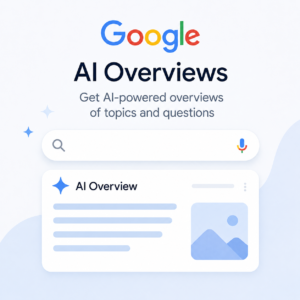
There is no guaranteed formula for appearing in Google AI Overviews, so don’t focus on finding a “secret AI SEO trick.”
Focus on creating genuinely useful content supported by strong SEO fundamentals.
SEO is not finished when you publish a blog.
You need to track what happens after publication.
Important SEO metrics include:
AI can help you analyze this information and identify patterns.
For example, imagine one page is getting thousands of impressions but very few clicks.
That could indicate an opportunity to improve:
Similarly, if a page is losing organic traffic, you can investigate whether the content has become outdated or whether competitors are providing a better answer.
This turns SEO from a one-time activity into a continuous improvement process.
A strong SEO strategy should not depend on only one keyword.
Your website should target users at different stages of their search journey.
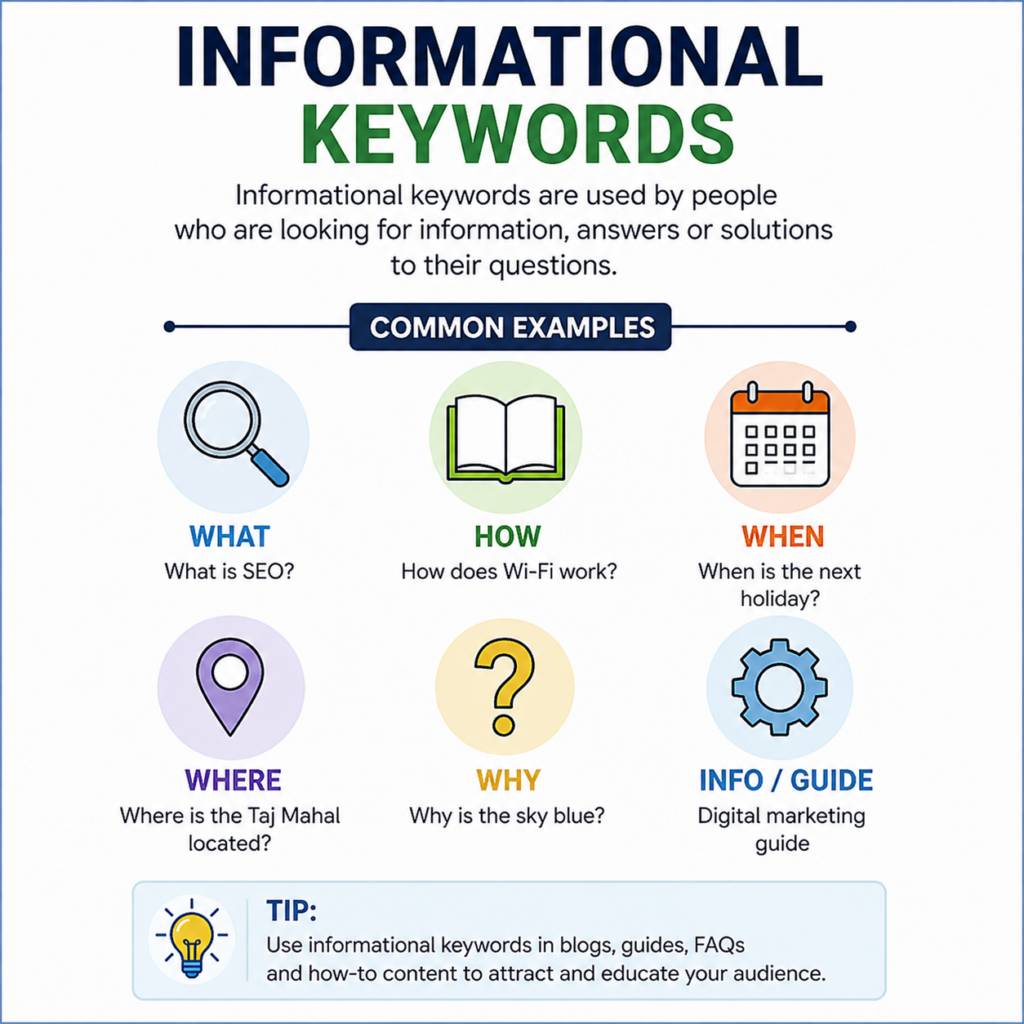
“What is SEO?”
The user wants information.
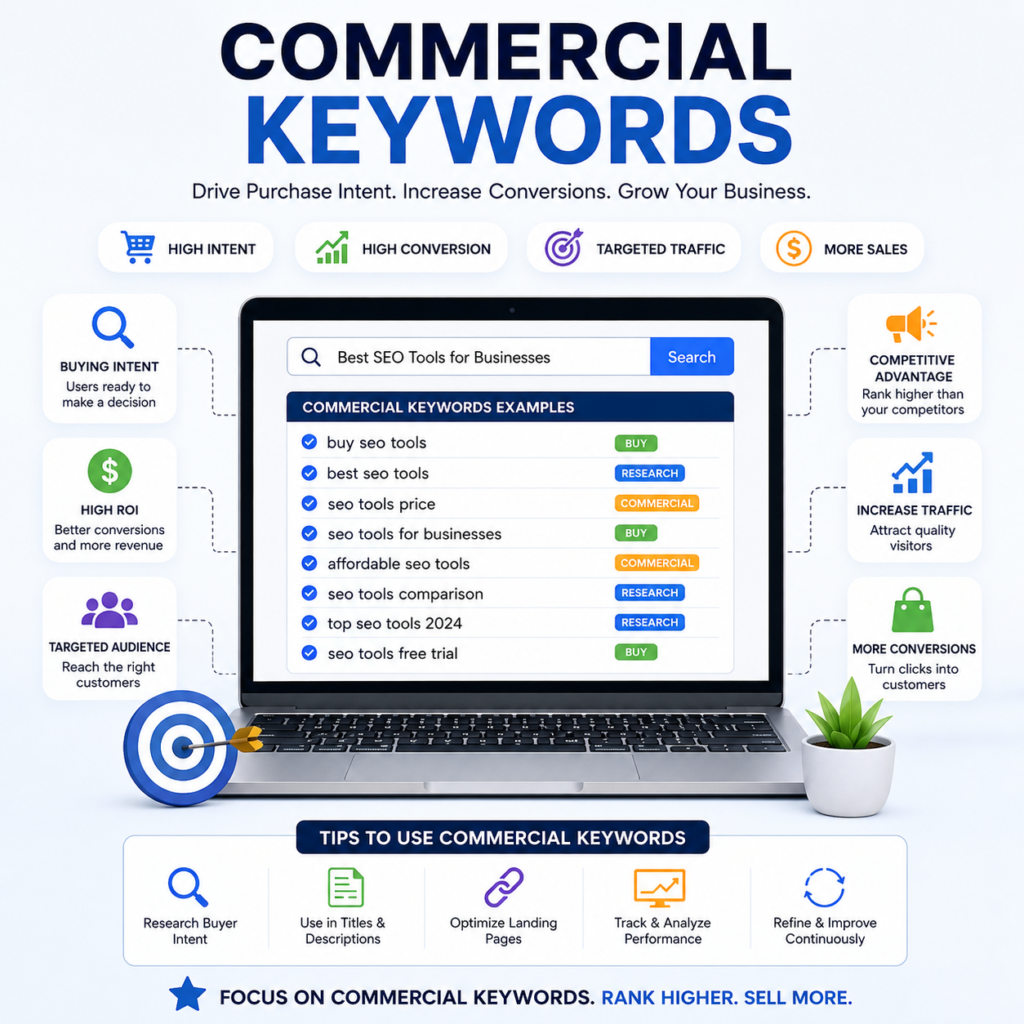
“Best SEO course for beginners”
The user is comparing options.
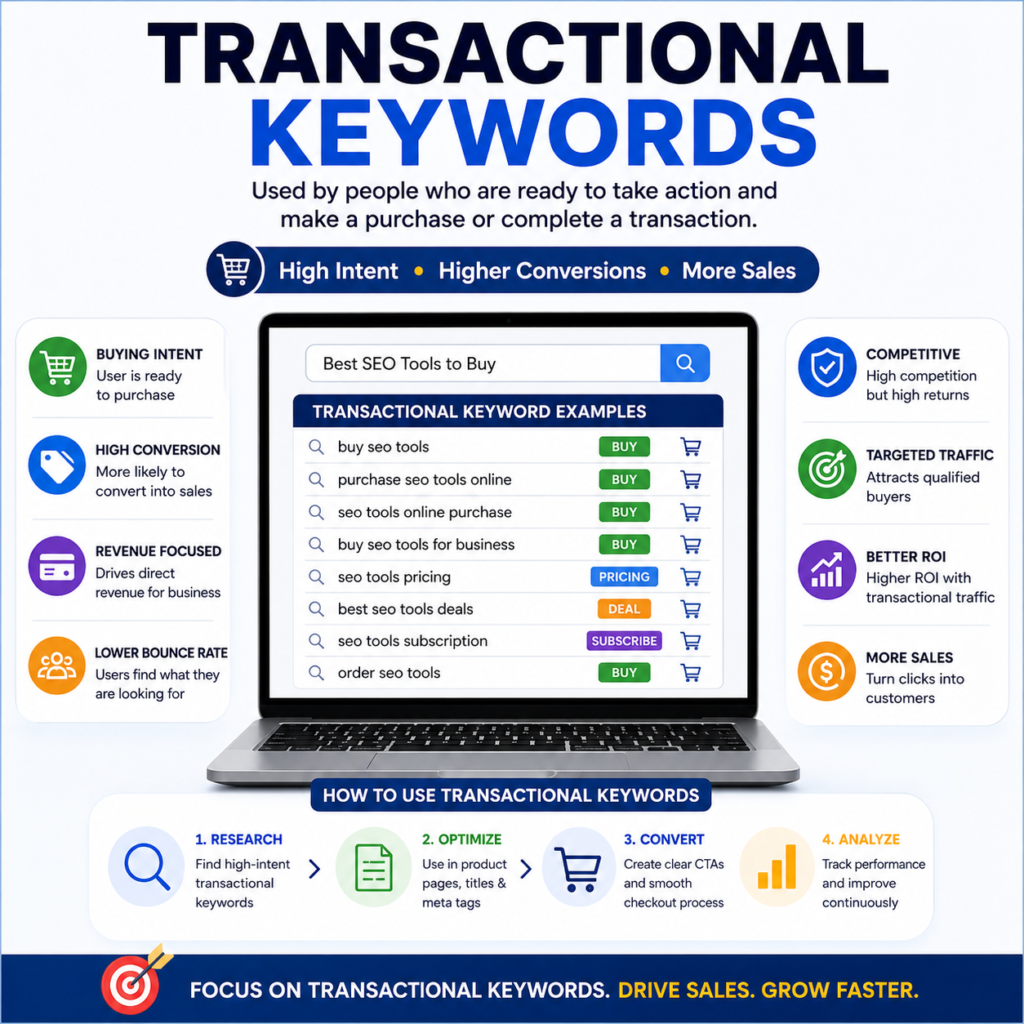
“Enroll in SEO course”
The user is ready to take action.
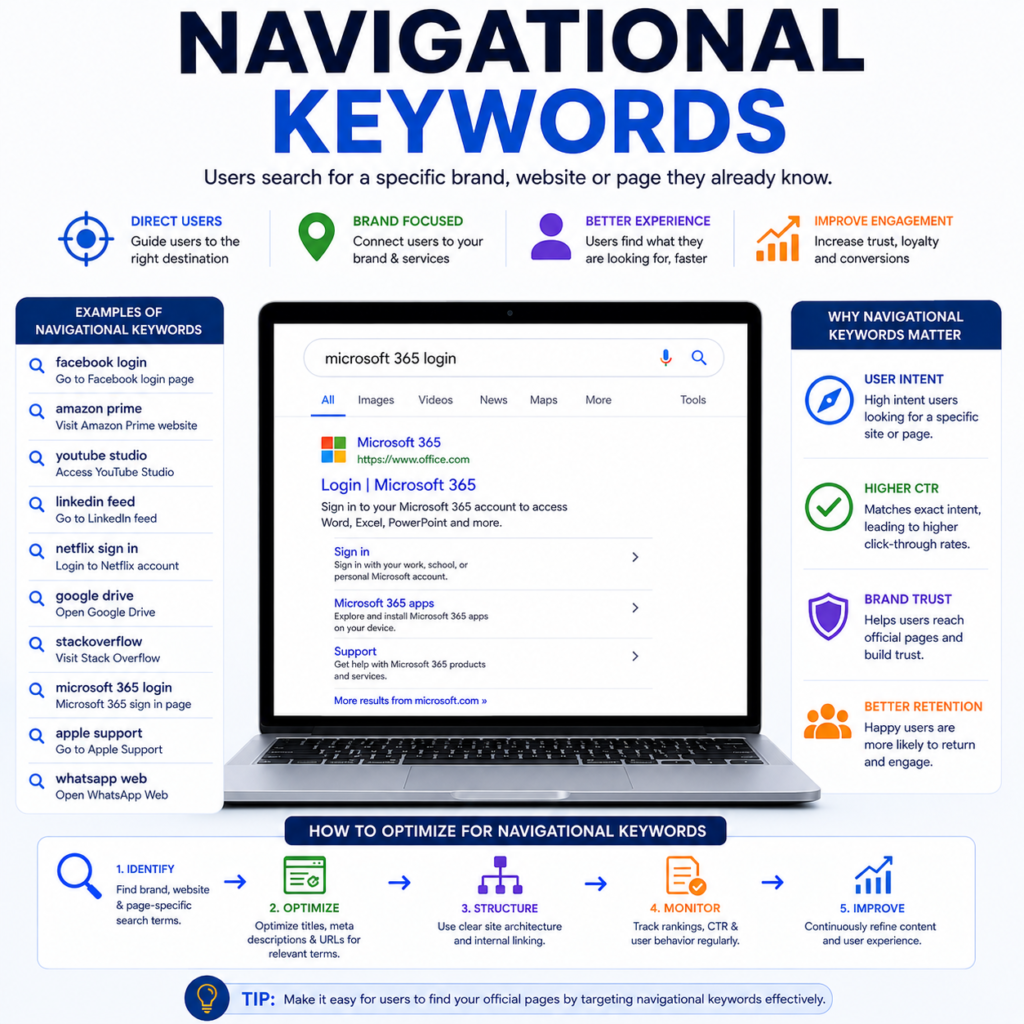
“Vidya Sarthi SEO course”
The user is looking for a specific brand or page.
Using these keyword types naturally across blogs, service pages, course pages, and brand pages helps create a more complete SEO strategy.
If you want to improve your Google rankings with AI, focus on these areas:
Understand search intent.
Know what the user actually wants before creating content.
Create people-first content.
Don’t write only for search engines.
Use AI as a support tool.
Use it for research, ideas, analysis, and optimization.
Add human experience.
Your knowledge and real examples can make content more valuable.
Build topical authority.
Create multiple useful resources around your main topic.
Improve technical SEO.
Make sure search engines can crawl and understand your website.
Use internal links.
Connect relevant pages to help users discover more content.
Update old content.
Keep important information fresh and relevant.
SEO in 2026 is becoming more connected with artificial intelligence, but the fundamentals of SEO are still important.
AI can help you find better keywords, understand search intent, discover content gaps, improve existing pages, create better content structures, and analyze SEO performance.
But AI alone cannot guarantee #1 rankings on Google.
The better approach is to combine AI with strong SEO fundamentals and human experience.
Want to learn SEO, AI SEO, Google Ads, social media marketing, content marketing, and other digital marketing skills?
Vidya Sarthi is a digital marketing institute where you can learn practical digital marketing skills and understand how AI is changing SEO and online marketing.
Learn how to use SEO strategies, AI tools, keyword research, content marketing, and modern digital marketing techniques to build real-world skills.
Join Vidya Sarthi and take the next step toward your digital marketing career.
Nepal Flood 2026: Latest News, Causes, Impact & Rescue Updates Nepal Flood has become a major news story after severe flooding and flash floods affected
What Is Google Ads? Uses, Benefits & Services 2026 Table of Contents If you have ever searched for something on Google and noticed sponsored results
What Is Affiliate Marketing? Beginner’s Guide 2026 This post contains affiliate links. If you click through and make a purchase, I may earn a small
What is Social Media Marketing? 2026 Beginner’s Guide Table of Contents Social media has changed the way businesses connect with customers. Today, a brand can